Burying all of our lines protects them from severe weather and other disasters.
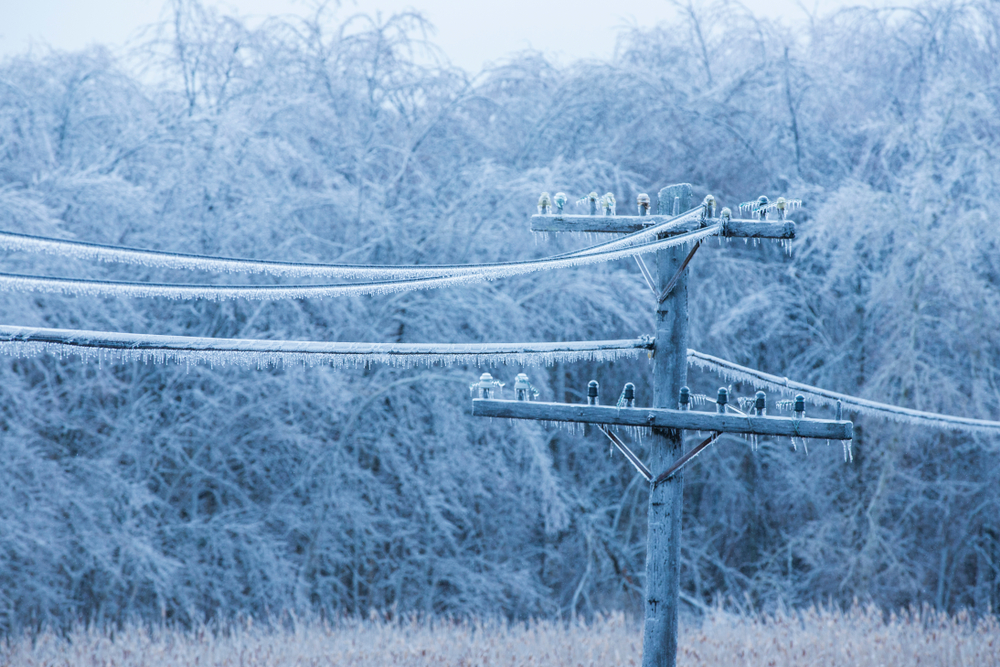
During the night of March 29, 1976, a severe ice and wind storm struck Nebraska, shutting down power to more than 100,000 residents in a 10,000-square-mile area in 16 counties. The storm moved across Nebraska, depositing heavy snow and miles of ice on power lines: Mile after mile of line buckled under the tremendous weight of snow-laden wire that in many instances reached six inches in diameter, whipped by tornadic winds of 60 and even 70 miles per hour.1
Hamilton Telecommunications knew it would need several generators to power up its service stations, but first it powered up a generator at the local gas station. After all, what good is a generator if it doesn’t have the fuel it needs?
Nebraska Public Power District reported losing more than 6,650 of its power poles. It took days to restore power and, in some rural areas, several weeks. Hamilton lost 500 miles of telephone lines and over 2,500 telephone poles that night.
Surviving the storm was the persistence and effort of many people. The cost of rebuilding was high, but the incredible commitment of the employees to both Hamilton and the community was greater.
“Basically, we had to rebuild the infrastructure by burying our telephone lines. It was estimated that this project would take three years to complete”, says Hamilton CEO Phil Nelson.
“Our employees literally worked night and day to restore service. Many slept at the office or in their cars and trucks. Others put in 16 and 18 hour days. Everyone knew how important this project was to our customers – and to our future. And you know what?” Nelson quips, “We completed the project in three months.”
1 From “The Storm,” published by the Nebraska Public Power District.

We continue to bury our lines today, which helps eliminate disruptions from weather and other elements.